
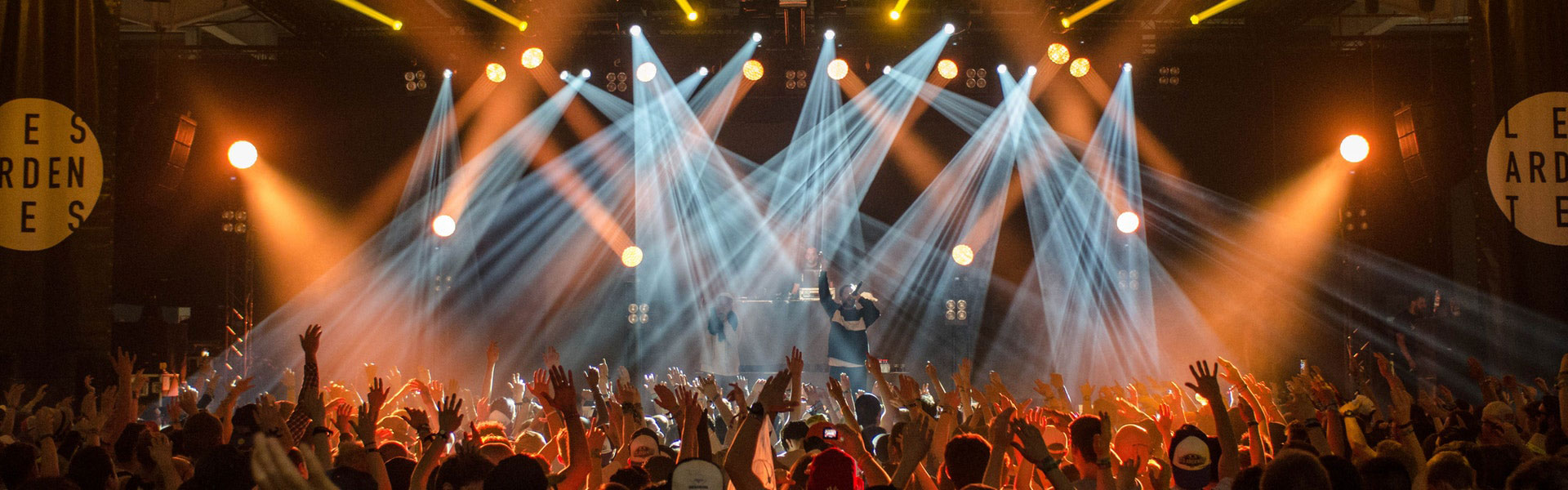
When it comes to understanding the allure of casinos, the psychology of the players often lies at the core of this enigmatic world. The thrill of the game, the flashing lights, and the intoxicating atmosphere create a unique experience that draws millions worldwide into casinos. Players are not merely there to gamble but to fulfill psychological needs ranging from excitement to escapism. For those interested in exploring these dynamics further, the AU21 Casino welcome bonus details are a perfect starting point.
The Thrill of Risk and Uncertainty
At the heart of every gambling experience is the fascination with risk. The unpredictability of outcomes is what makes games of chance so exhilarating. Players are often captivated by the idea that they could strike it rich with a single bet. This rush can lead to an adrenaline boost similar to that experienced during extreme sports.
Psychologists assert that this thrill-seeking behavior is rooted in human nature. Many players embrace risk for the psychological rewards it brings, often feeling a sense of achievement with each gamble. The prospect of winning, even if it is slight, can overshadow the reality of losses, creating a continuous cycle of play.
The Role of Environment in Player Behavior
The design of a casino is not accidental; it’s a carefully curated environment engineered to enhance player interaction and prolong their stay. From the vibrant colors to the hypnotic sounds of slot machines, everything is designed to stimulate the senses and encourage gambling behavior.
Studies have shown that lighting, temperature, and even the scent of a casino can impact players’ behaviors. Casinos often employ a strategy of removing clocks and windows to create a sense of timelessness, making it easier for players to lose track of time. This manipulation of the environment fosters an immersive experience that can lead to extended gambling sessions.
Social Influences on Gambling
Another significant component of the psychology of casino players is the social aspect of gambling. Many people enjoy the camaraderie of playing with friends or fellow gamblers. The social environment can serve as a powerful motivator, encouraging players to engage in behaviors they might not undertake alone.
This phenomenon can be explained through social psychology, where individuals are influenced by the behaviors and attitudes of those around them. The excitement of a roll of the dice, cheers from fellow players, and shared victories create a collective thrill. For many, this social aspect enhances the enjoyment of the experience, further complicating the decision to gamble.
Addiction and Compulsive Gambling
The pervasive allure of gambling, however, can lead some individuals down a darker path. Gambling addiction is a serious issue that affects a significant portion of players. The blend of risk, reward, and social interaction can create a perfect storm for compulsive behaviors.
Psychologists categorize gambling addiction as an impulse control disorder. Players may chase losses in a desperate attempt to regain control, often leading to deeper financial and emotional problems. Recognizing the signs of gambling addiction is crucial for both players and their loved ones, as early intervention can aid in recovery.
Conclusion: Understanding the Gambler’s Mind
The psychology of casino players is a complex interplay of risk, environment, social interaction, and potential addiction. Understanding these factors can provide insights not only for players but also for those designing gaming experiences and addressing issues of responsible gambling. As gambling continues to grow in popularity, delving deeper into the psychology behind it remains an essential endeavor for researchers, casino operators, and players alike.
In the end, the casino is more than just a place to gamble; it is a reflection of human desires, motivations, and vulnerabilities. The mesmerizing world of casinos invites players to explore the depths of their psyche, even as they navigate the exhilarating highs and lows of chance.