
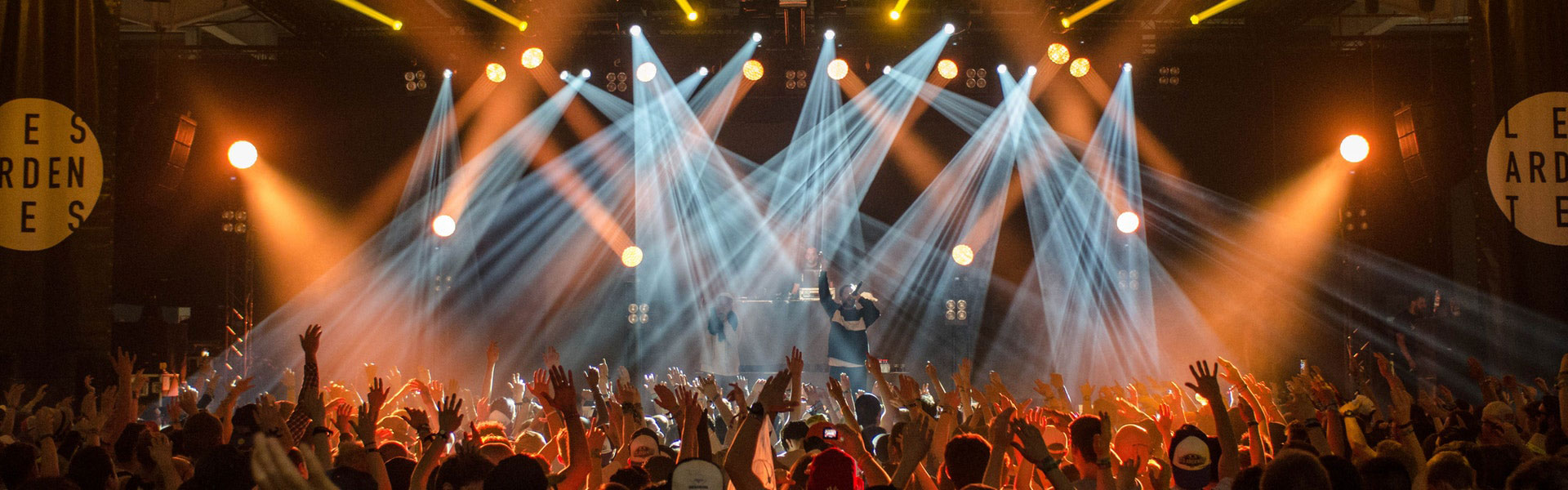
In an increasingly interconnected world, the digital transformation of cultural institutions has become more than a trend; it’s a necessity for fostering global engagement and enhancing accessibility. As museums, theaters, and artistic communities seek innovative ways to reach wider audiences, dedicated digital portals have emerged as vital tools. Among these, the the official taroom portal exemplifies a modern approach to consolidating resources, streamlining event management, and strengthening community bonds within the arts ecosystem.
The Evolution of Cultural Portals: From Static Websites to Interactive Ecosystems
Historically, digital representations of cultural institutions were primarily informative, offering static pages with basic descriptions. However, recent industry trends indicate a significant shift towards dynamic, user-centric platforms that facilitate active participation. According to a 2022 report by the Digital Cultural Engagement Consortium, over 65% of cultural organizations now prioritize integrated portals capable of supporting ticketing, live streaming, and interactive community features.
Innovative platforms like the official taroom portal have capitalized on this momentum by offering comprehensive digital solutions that unify diverse aspects of cultural engagement in one accessible interface.
Key Features and Industry Impact of Modern Digital Portals
| Feature | Industry Impact & Examples |
|---|---|
| Unified Content Management | Streamlines the delivery of multimedia content, event schedules, and educational materials. Example: The National Gallery’s online portal enables seamless updates and interactive features, increasing visitor engagement by 40%. |
| Interactive Community Spaces | Facilitates forums, live chats, and virtual tours. Institutions like the Tate Modern’s digital forums have evidenced increased community participation and feedback. |
| E-Commerce and Ticketing Integration | Supports ticket purchases, memberships, and merchandise. The Museum of Modern Art (MoMA) reports a 30% uplift in online sales following portal enhancements. |
| Analytics & Data-Driven Personalization | Allows institutions to understand visitor preferences and tailor experiences, leading to increased retention and repeat visits. |
Strategic Significance of Robust Digital Portals in Cultural Preservation
As cultural heritage faces threats from physical deterioration and limited geographic access, comprehensive digital portals serve as guardians of cultural memory. They make artifacts, performances, and histories accessible globally—regardless of physical location. For example, platforms akin to the official taroom portal exemplify how a well-structured digital environment can preserve intangible cultural heritage, facilitate scholarly research, and foster cross-cultural dialogues.
Furthermore, during unforeseen crises such as the COVID-19 pandemic, these portals became crucial for maintaining community engagement when physical spaces were inaccessible. According to UNESCO, over 75% of cultural institutions reported increased digital traffic during lockdowns, reinforcing the importance of resilient online platforms.
Expert Perspectives: The Future of Digital Cultural Portals
“Digital portals are no longer ancillary features but are fundamental to the strategic vision of cultural institutions,” says Dr. Lisa Chen, Director of Digital Innovation at the International Cultural Consortium. “They provide an unprecedented opportunity to democratize access, fostering inclusive participation that transcends traditional barriers.”
As the industry moves forward, integration of emerging technologies such as augmented reality (AR), virtual reality (VR), and AI-driven personalized tours will become standard. Platforms like the official taroom portal are pioneering this shift by continuously enhancing user experience through innovative features that blend art, community, and technology seamlessly.
The emphasis on transparent data collection and privacy compliance will also shape future development, ensuring that user trust remains central to digital engagement strategies.
Conclusion: Building Bridges Through Digital Portals
The intersection of culture and technology is forging new pathways for community engagement, preservation, and education. As demonstrated through leading examples and industry analyses, dedicated digital portals like the official taroom portal are indispensable for future-proofing the cultural sector. They transcend mere online repositories, transforming into vibrant ecosystems that reflect the dynamic, interconnected spirit of modern cultural practice.
Investing in sophisticated, user-centric platforms ensures that cultural heritage remains resilient, accessible, and relevant—fueling a global dialogue that celebrates diversity and creativity for generations to come.